Hohoho Santa Font for Branding and Creative Projects
There’s something magical about starting a new brand identity project—especially when the blank canvas is just a fresh brand board. Recently, I was working on a small bakery’s visual refresh, and I needed a font that could bring warmth and charm to their logo and packaging. That’s when I stumbled upon Hohoho Santa Font from Script Amp. It wasn’t just any font; it felt like a personal touch, almost like writing with a pen in hand.
A Handwritten Charm for Modern Branding
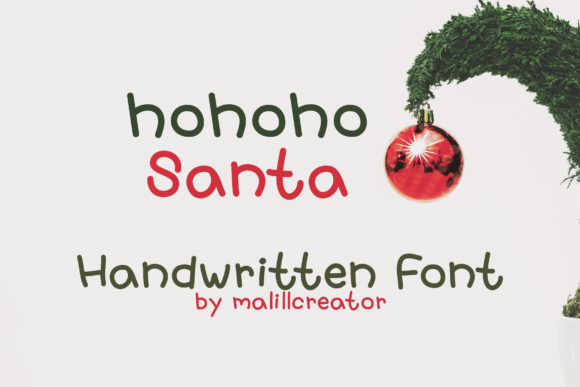
Hohoho Santa Font is a cute handwritten font that looks so natural and playful. Its characters are designed with a sense of authenticity, as if they were scribbled by someone with a friendly, approachable personality. The curves and flourishes give it a soft, organic feel, making it ideal for creative projects that aim to convey warmth and sincerity.
This font isn’t just for holiday-themed designs. While its name might hint at Christmas cheer, its versatility extends beyond seasonal branding. I used it for the bakery’s logo concept, and it immediately brought a sense of homeliness and care to the design. It worked well with a minimalist background, allowing the font to shine without overwhelming the visual elements.
Testing Hohoho Santa Font in Real Design Scenarios
I tested Hohoho Santa Font across several real-world applications. On a logo draft, it added a unique character that stood out from more traditional sans serif or serif fonts. For the bakery’s packaging mockup, I paired it with a clean sans serif typeface to balance playfulness with readability. The contrast made the product labels feel inviting yet professional.
On business cards, the font gave a personal touch, which was perfect for a boutique-style brand. When placed on a website header, it created a warm first impression that aligned with the bakery’s brand voice. Even on social media layouts, it helped maintain a consistent aesthetic across posts, reinforcing brand recognition.
However, I noticed that Hohoho Santa Font isn’t suitable for every scenario. It works best as a display font or headline font rather than for long body text. Using it in small sizes can compromise readability, especially on digital screens or printed materials where clarity is key.
Font Pairing and Practical Tips for Use
When pairing Hohoho Santa Font with other typefaces, I found that combining it with a modern sans serif font like Montserrat or a classic serif font like Playfair Display created a balanced look. This combination is particularly useful for editorial design, where the handwritten font can be used for headings while the supporting typeface handles the body copy.
If you’re considering using this font for commercial purposes, it’s essential to check the licensing agreement. Ensure that the font is permitted for use in client work, templates, merchandise, websites, or print-on-demand products. Many premium fonts require specific licenses for commercial application, and Hohoho Santa Font is no exception.
Also, test the font thoroughly before finalizing any design. Try it in different sizes, colors, and backgrounds to see how it performs. A quick test on a shop sign or product label can reveal whether it maintains its charm and legibility under various conditions.
When to Use and When to Avoid Hohoho Santa Font
Hohoho Santa Font shines in branding projects that prioritize personality and warmth. It’s excellent for creative studios, handmade shops, local restaurants, and small businesses looking to build an authentic connection with their audience. It’s also a great choice for packaging design, social media graphics, and web headers that need a touch of playfulness.
However, it may not be the best fit for formal corporate branding, technical documentation, or any design that requires strict readability standards. Long paragraphs of text in this font would be challenging to read, and its decorative nature makes it less suitable for formal or academic contexts.
Despite these limitations, Hohoho Santa Font has a unique place in the world of design. Its ability to add a personal and authentic feel to creative projects makes it a valuable asset for designers who want to inject emotion into their work.